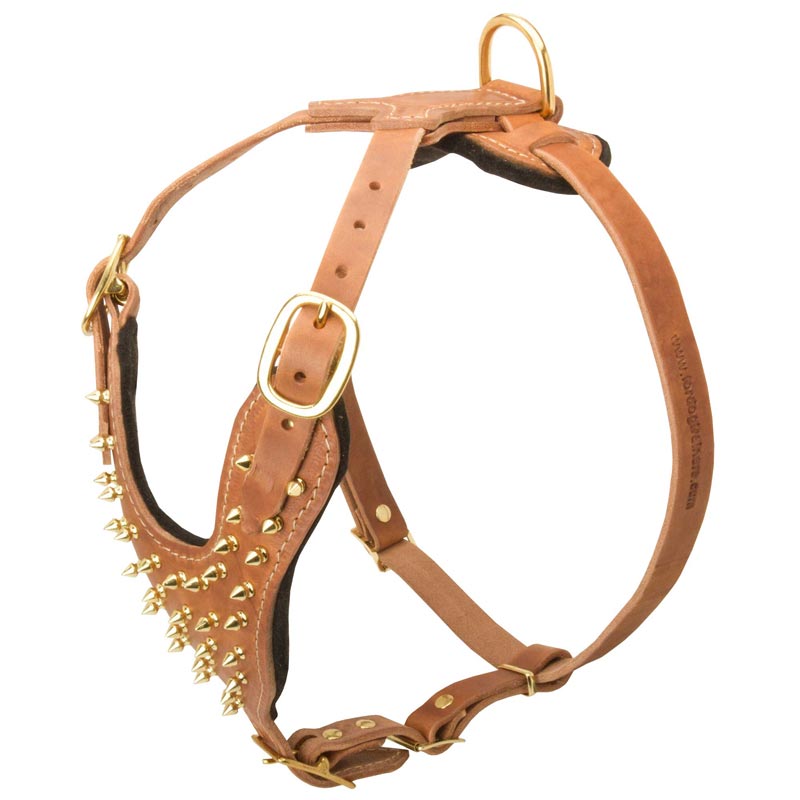
Professional Exclusive Leather Rottweiler Harness with Brass Spikes
This Dog Harness is extra strong, sturdy and reliable as it is made of top quality full grain natural leather that does not stretch and is difficult to tear. Such dog accessory will serve your Rottweiler for years. Also this Harness is extra … Continued
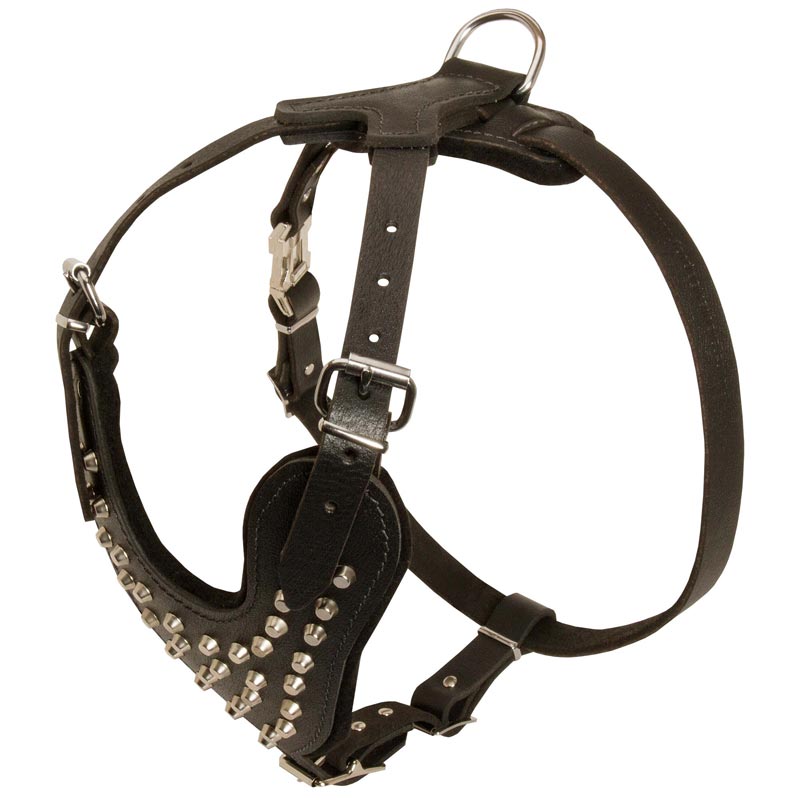
Handmade Leather Rottweiler Harness with Pyramids
High quality materials, comfortable ergonomic construction, reliable stitching and amazing design – all these are about this Dog Harness! Being stylish, it is also very functional. It can be used for basic training, daily walks, dog exercising and just for dog controlling. Made of … Continued
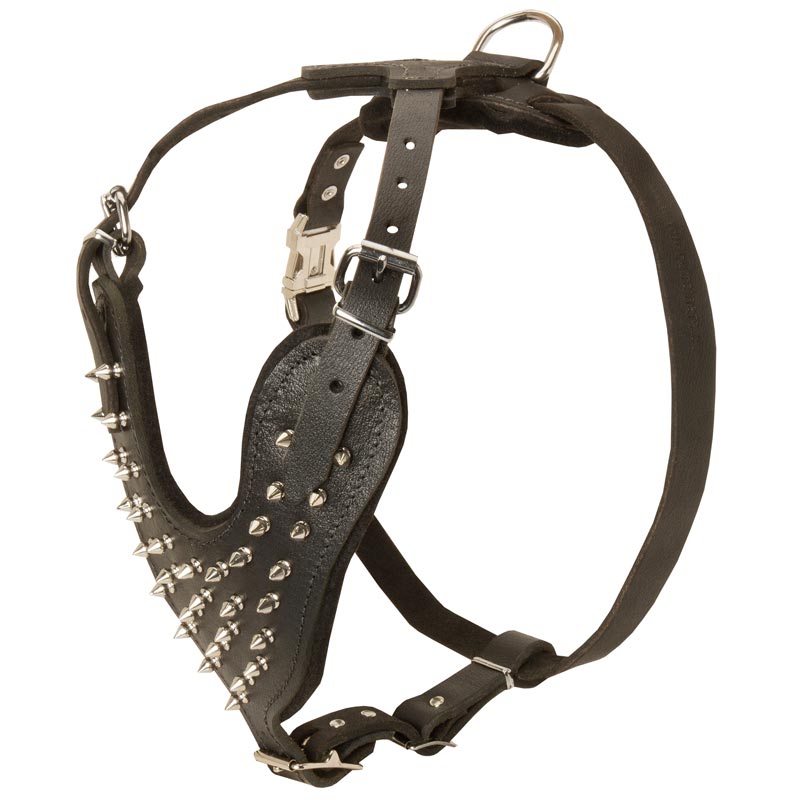
Spiked Leather Rottweiler Harness for Daily Walking
This Leather Dog Harness is made of high quality, safe and dog-friendly materials. Full grain leather is extra strong, flexible and pleasant to touch. It is adjustable in 4 ways. When putting this Leather Dog Harness on your pet, the special … Continued
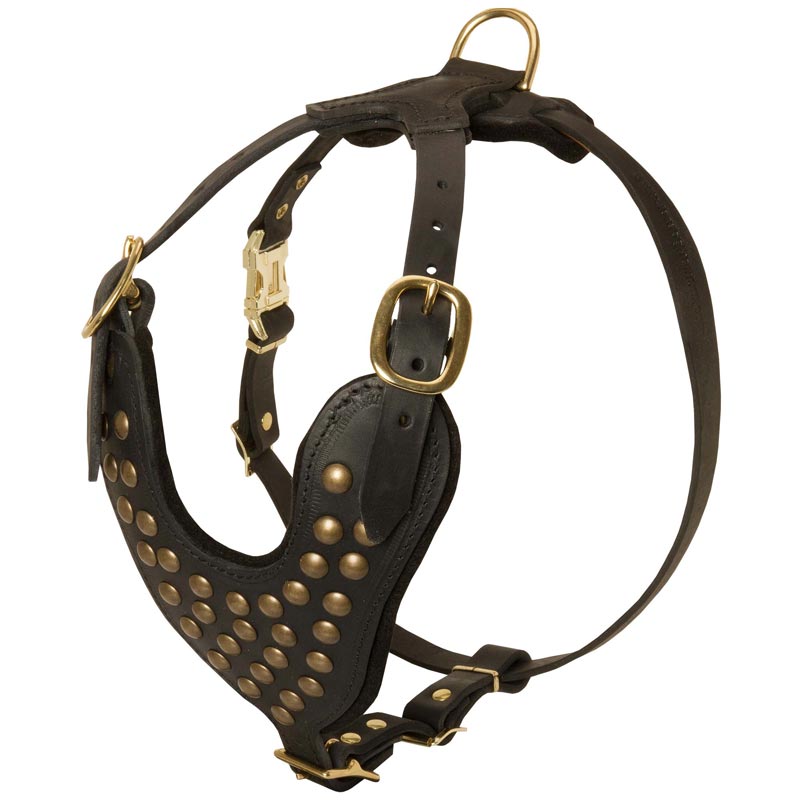
Luxury Studded Walking Leather Rottweiler Harness
This Dog Harness is manufactured of dog-friendly high quality materials such as full grain natural leather which not only has a perfect look but also distinguishes by its strength, durability and softness. This dog item provides your Rottweiler with maximum level of comfort. The … Continued
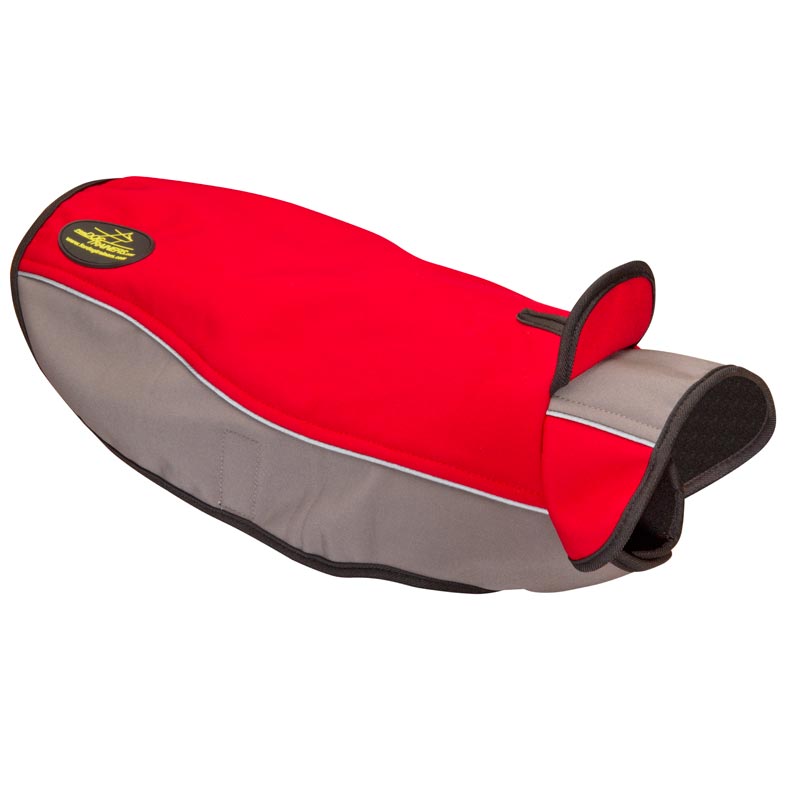
High Quality Nylon Rottweiler Coat for Winter Warming
This Dog Harness is a high quality product because it is made of top grade nylon. It is very strong, waterproof, soft to touch and lightweight. Wearing this Coat your Rottweiler won’t feel any discomfort and will be able to move freely. Also this … Continued
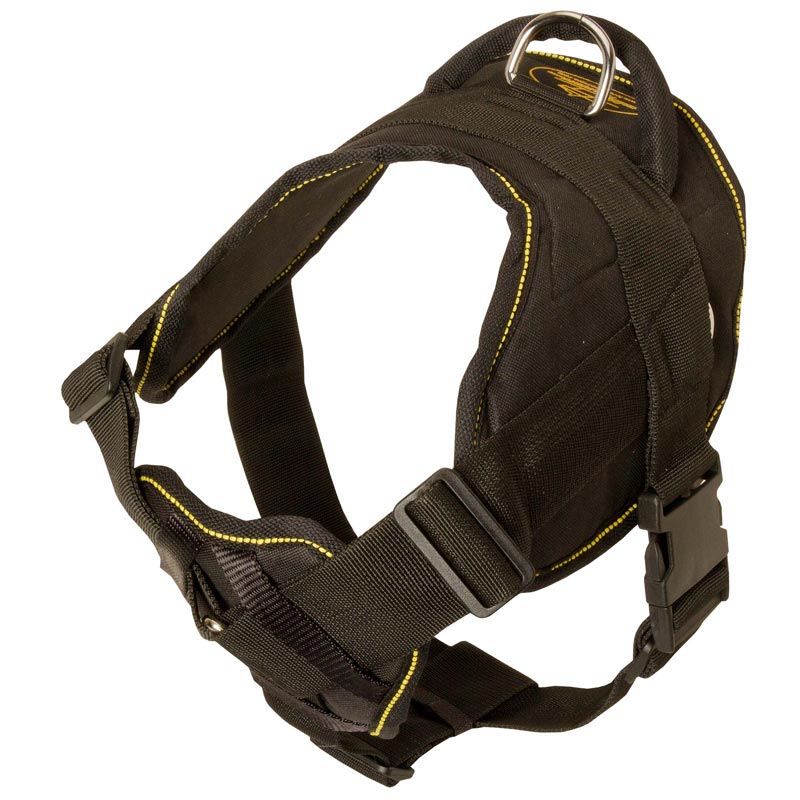
Unique Design Nylon Rottweiler Harness for Walking, Training and Exercising
This Nylon Dog Harness is equipped with comfortable chest plate that doesn’t cut into your pet’s skin. Y-shaped chest plate repeats the contours of dog’s body and doesn’t restrict his movements. Due to nylon material this product is made of, it is sturdy, reliable and … Continued
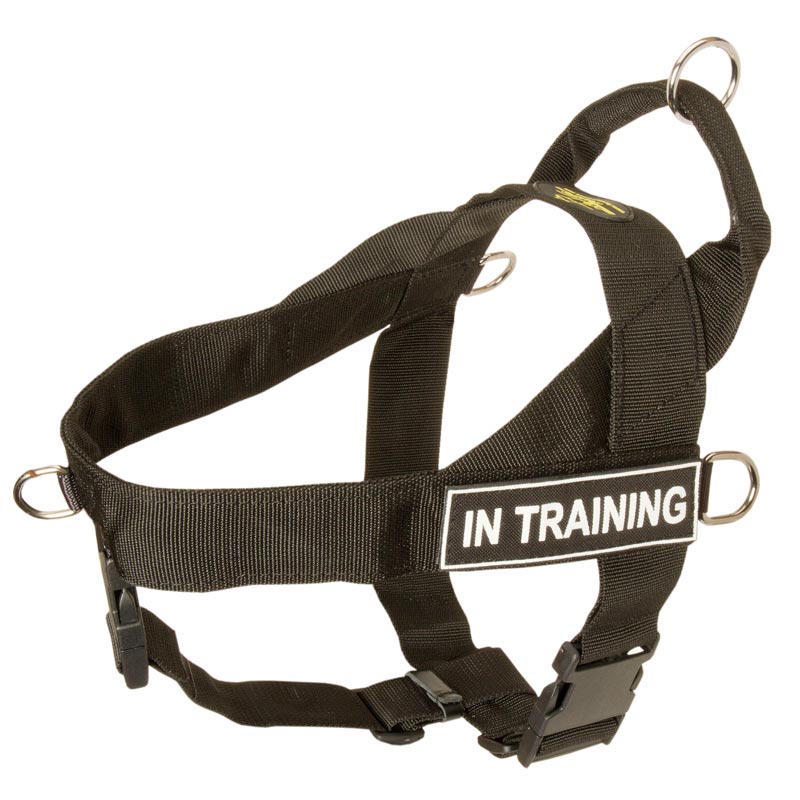
Nylon Rottweiler Harness for Training, Pulling, Tracking and SAR
Only the best quality nylon is used for crafting this Rottweiler Harness. It is very strong and practical material which will serve you for a long time. Moreover, comparing to leather, nylon is much cheaper and easier in maintenance. It can … Continued
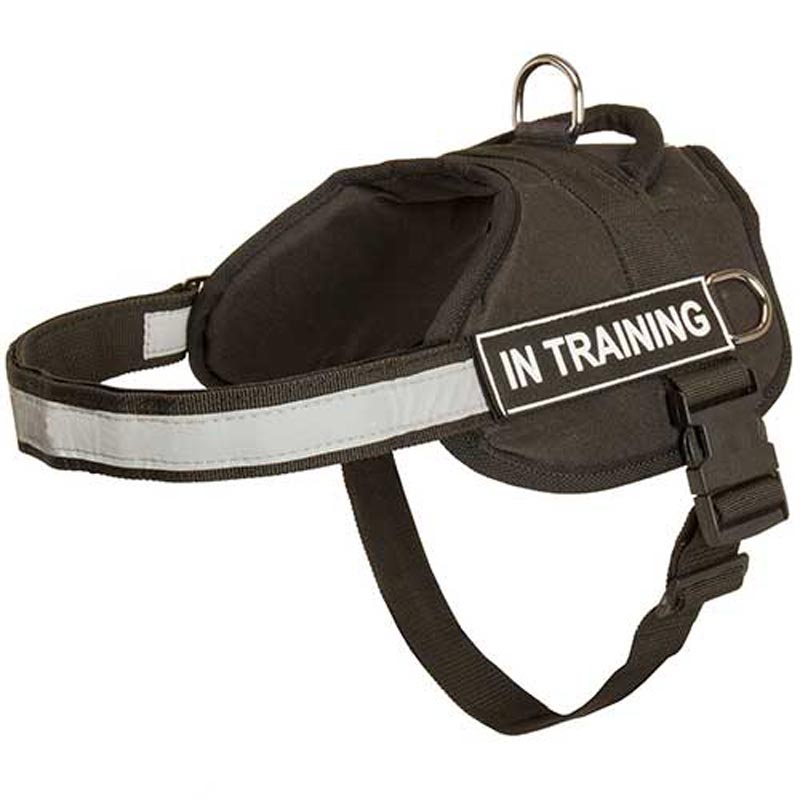
Nylon Rottweiler Harness with Reflective Strap for Training, Walking and Tracking
This Nylon Harness has extremely light weight and ergonomic construction. It is made of top grade nylon that is super strong, durable and water resistant. Nylon is easier in maintenance than leather, and be sure there will be no problems with allergies. This … Continued
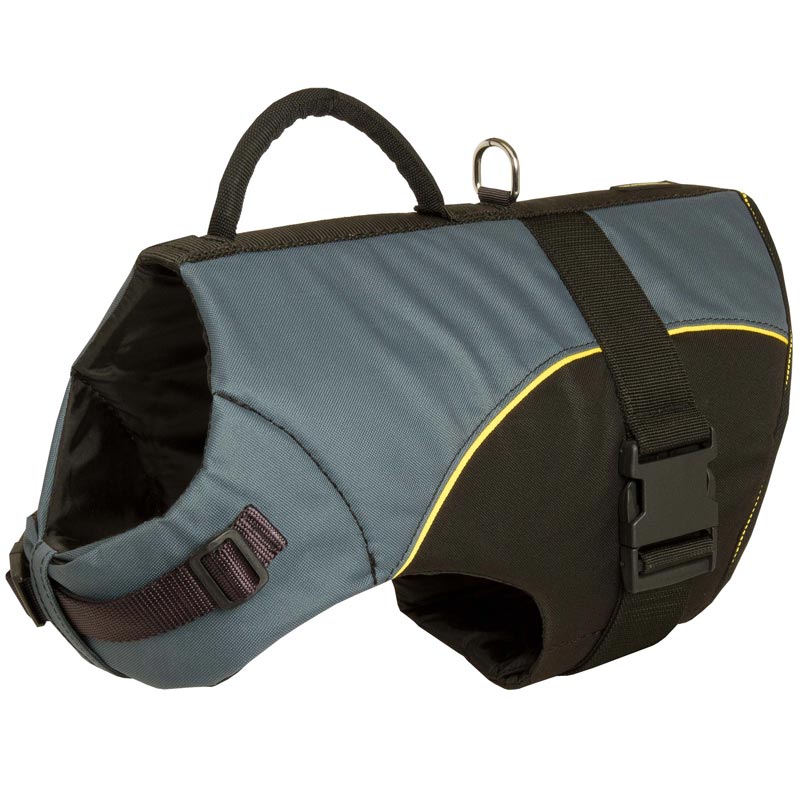
Easy Adjustable Reliable Nylon Rottweiler Vest
This Harness is crafted of top quality durable nylon due to which it is a perfect supply for walking with your pet when it is wet outside. Also this dog tool is great for dog rehabilitation after surgery as it has special vest design, … Continued
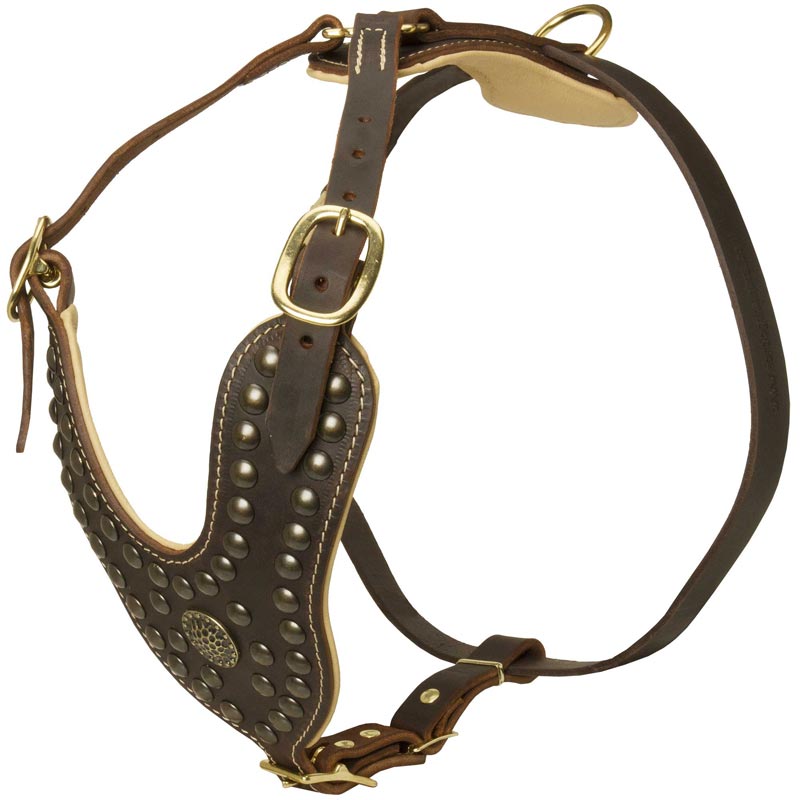
Royal Nappa Padded Studded Leather Rottweiler Harness
This Dog Harness is a perfect mix of style, comfort and functionality. It has unique design and individual style. This is very durable and reliable piece of dog training equipment. Made of full grain genuine leather this Harness is extra strong, pleasant to … Continued
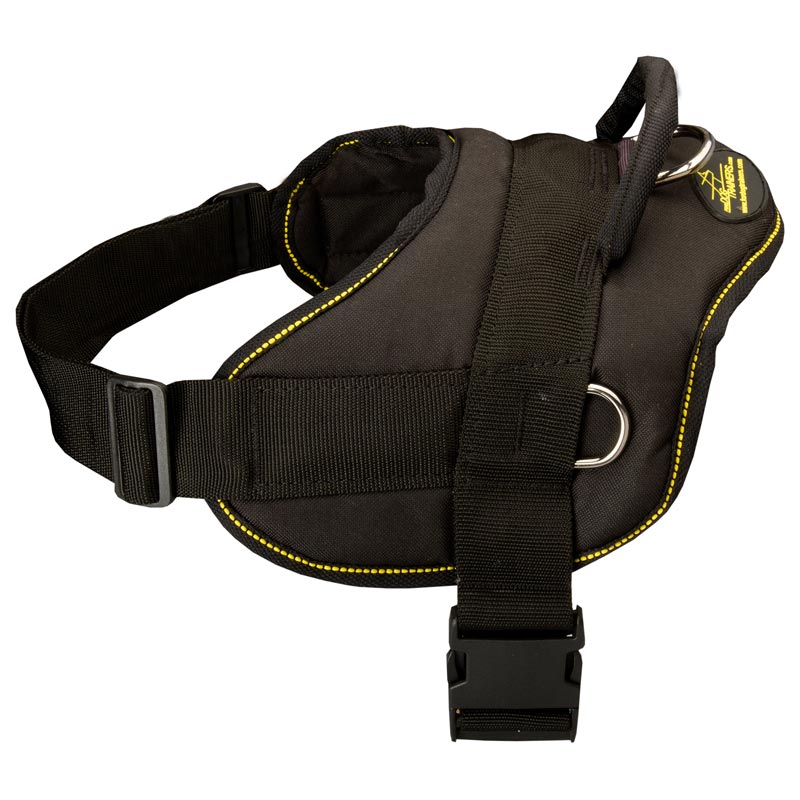
Nylon Multipurpose Rottweiler Harness for Tracking, Training and Pulling
Everyday dog walking, vet visits and training will be more comfortable and pleasant with this Dog Harness. It is extra strong, durable, non-stretching and water resistant. Special nylon handle will help you to control your Rottweiler better during different kinds of activities. Using … Continued
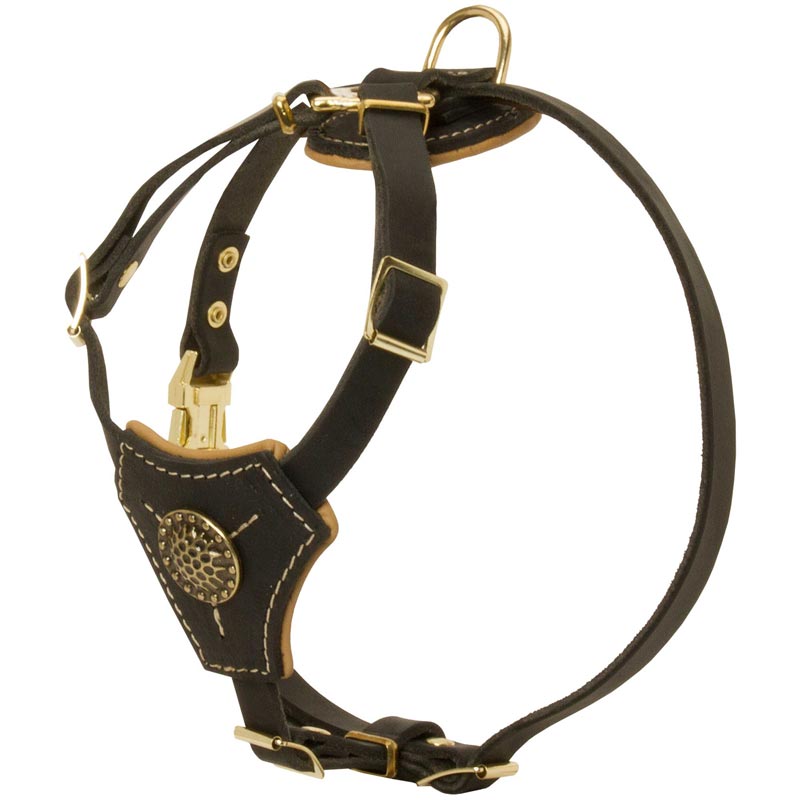
Stylish Handmade Leather Rottweiler Harness for Puppies
Made of high quality dog-friendly materials, this Dog Harness is durable, reliable and extra comfortable for your puppy. Thanks to its quality this Harness will serve you for many years. Y-shaped chest plate is Nappa padded to assure snug wearing and to … Continued
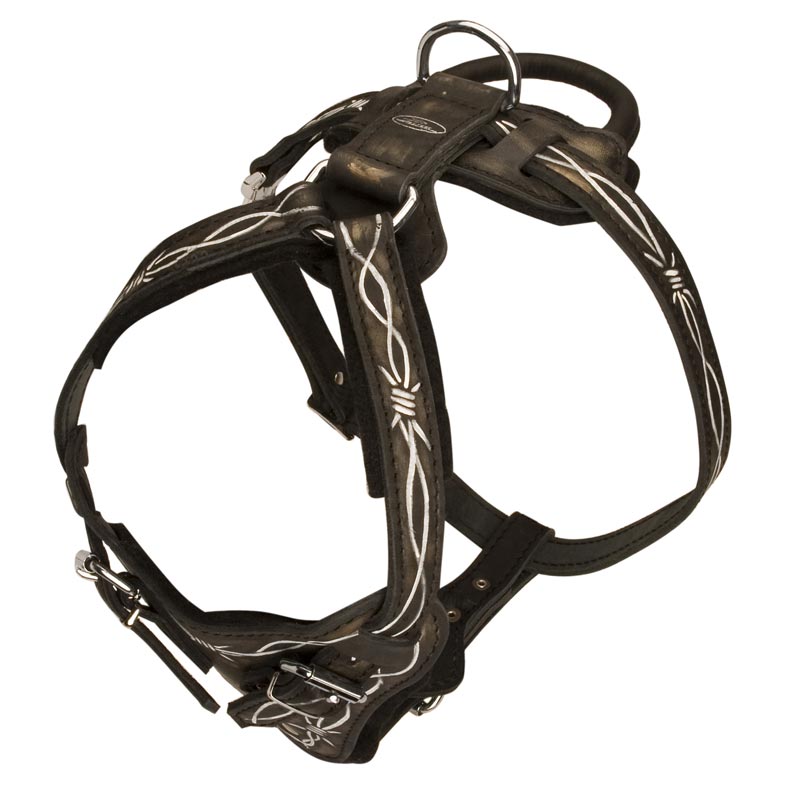
Exquisite Barbed Wire Handpainted Leather Rottweiler Harness
This Harness is a perfect mix of comfort, reliability, safety and style. It is convenient and will perfectly suit your Rottweiler for training, walking or other activities. This dog tool is of premium quality because it is made of 100% … Continued
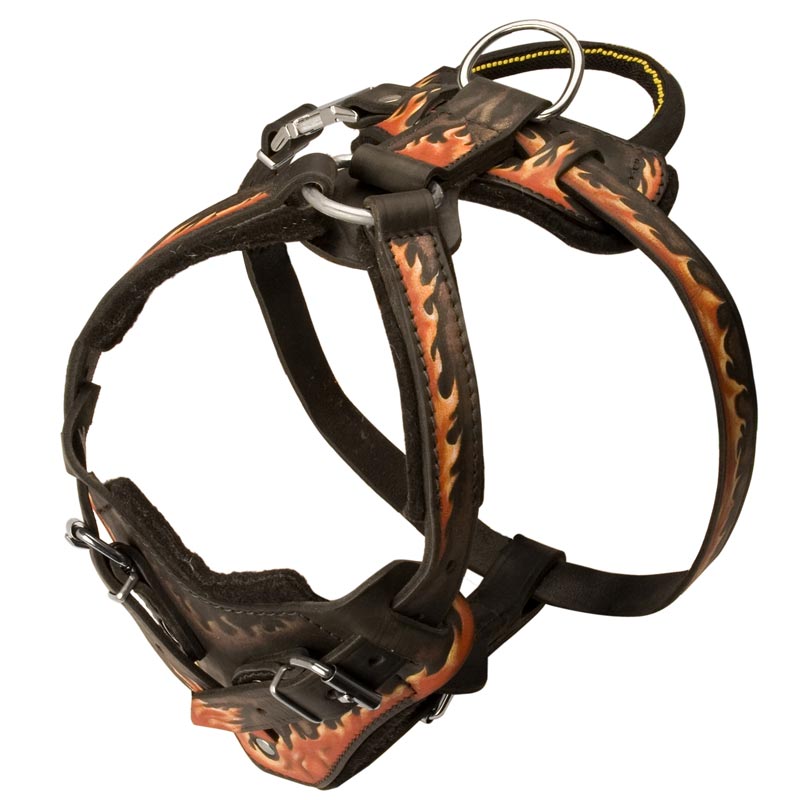
Flamed Durable Rottweiler Harness for Agitation/Protection Training
Made of 100% quality dog safe materials the Harness is extra strong and will serve you long. Special inside soft thick felt padding on the chest will protect your pet’s skin from rubbing or irritation during long attack/agitation training sessions. The Harness … Continued
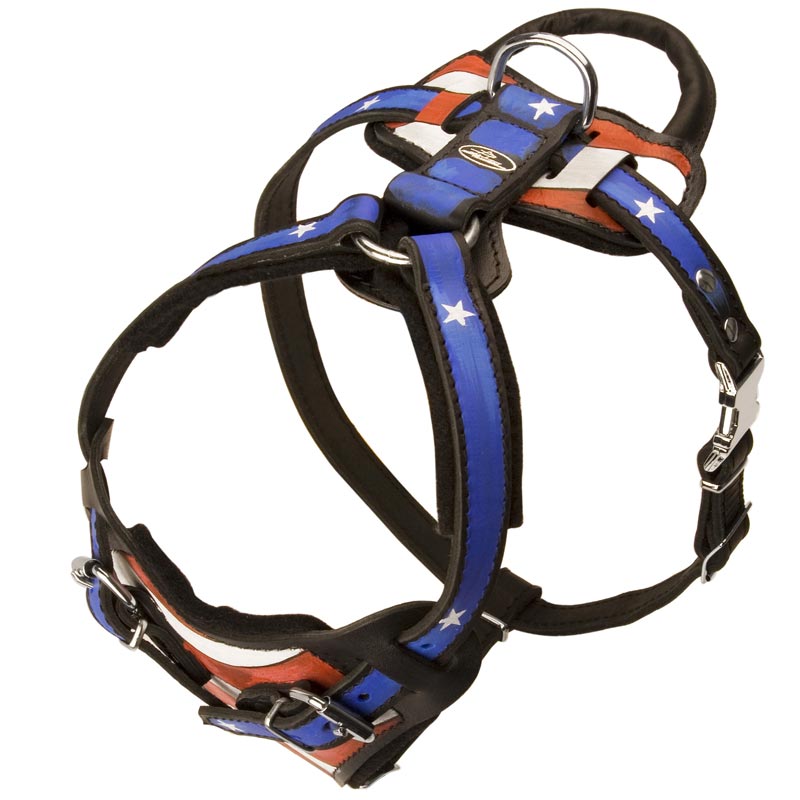
American Flag Handpainted Rottweiler Harness for Agitation/Protection Training
This Dog Harness is made of full grain genuine leather which is extra strong, flexible and soft to touch. It is safe for your Rottweiler’s health and doesn’t provoke allergies and skin rubbing. Thanks to its design this dog item is very comfortable for … Continued
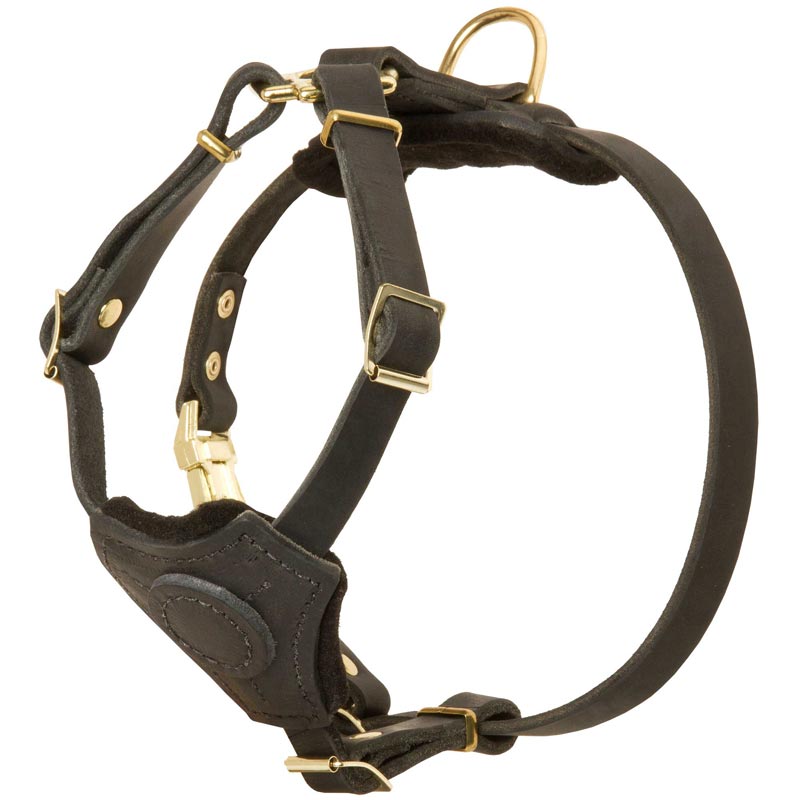
Small Leather Rottweiler Harness for Puppy Training/Walking
Made of premium quality full grain genuine leather, this Dog Harness is safe for your dog’s health. It is non-toxic, strong, pleasant to touch and flexible. All the fittings are made of high quality brass and are rust resistant. The stitching on the … Continued
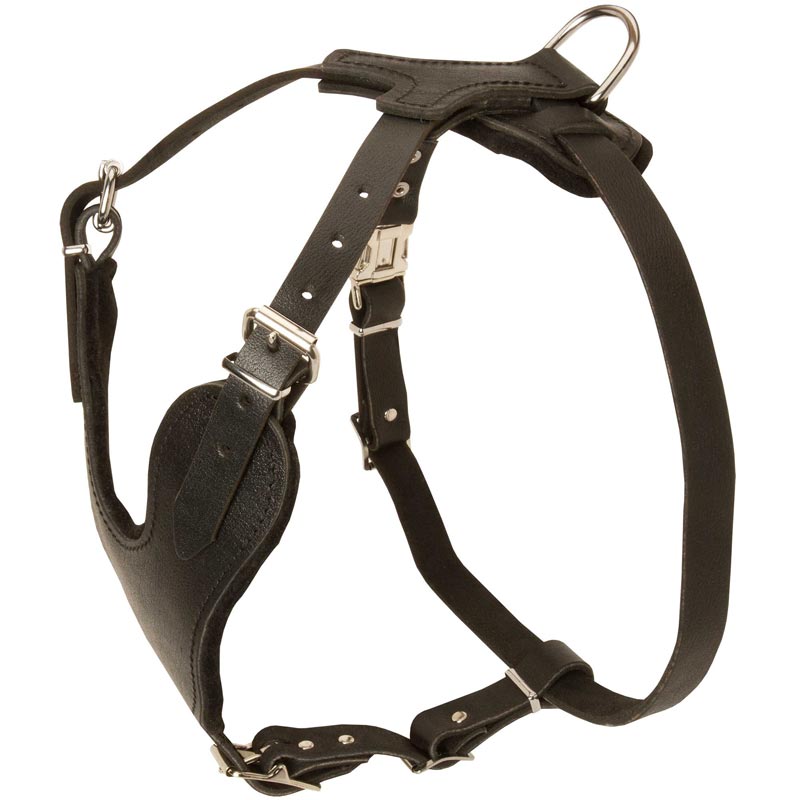
Exclusive Padded Leather Rottweiler Harness
Made of 100% full grain genuine leather this Rottweiler Harness is extra strong, soft and absolutely non-toxic. It is pleasant to touch and allows the dog’s skin to breathe freely. Due to the Y-shaped chest plate, this dog item embraces your dog’s … Continued
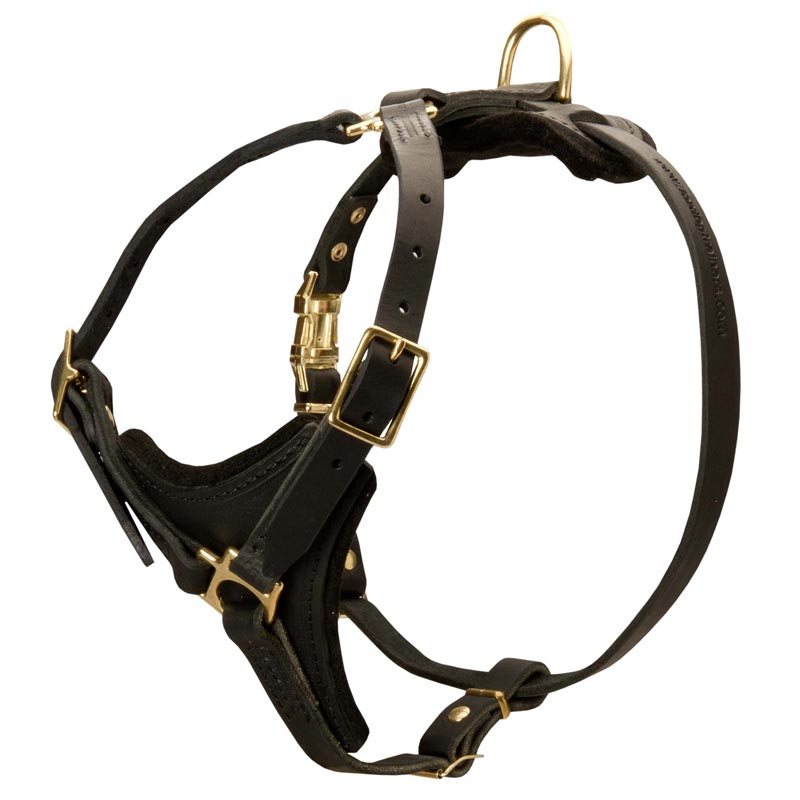
Tracking Walking Leather Rottweiler Harness
This comfortable Dog Harness is specially created for such large and powerful dogs as Rottweilers. Thanks to high quality materials it is very strong and difficult to tear. Be sure, if proper used, it will serve you for many years. This dog … Continued
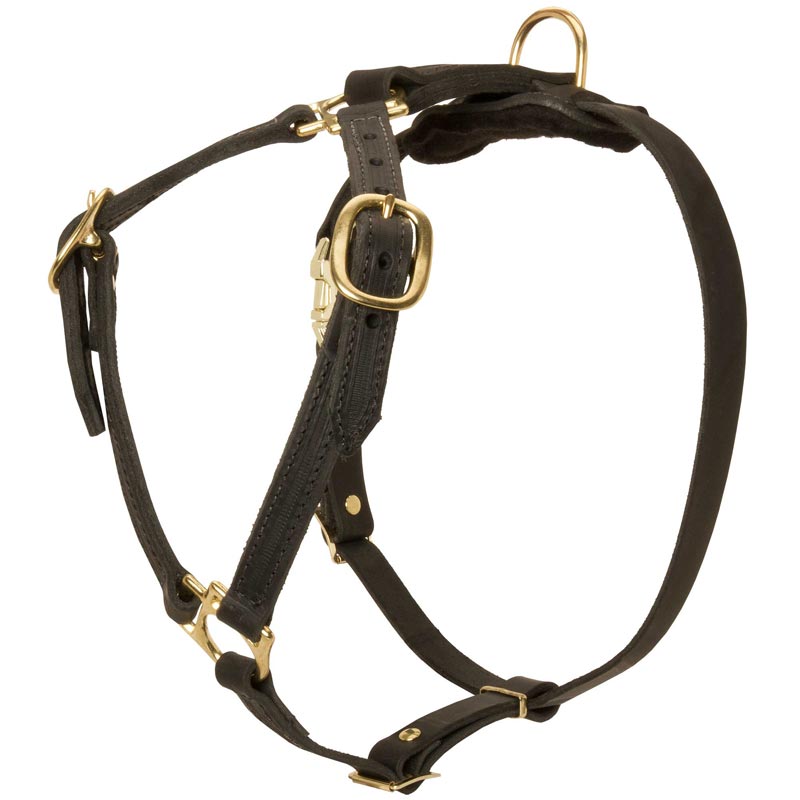
Top Grade Designer Leather Rottweiler Harness Without Chest Plate
This Dog Harness is made of high quality full grain genuine leather and is designed specially for such large and powerful dogs as Rottweilers. This dog item is stitched for better durability, so it will serve you for years even if frequently used. This Harness … Continued
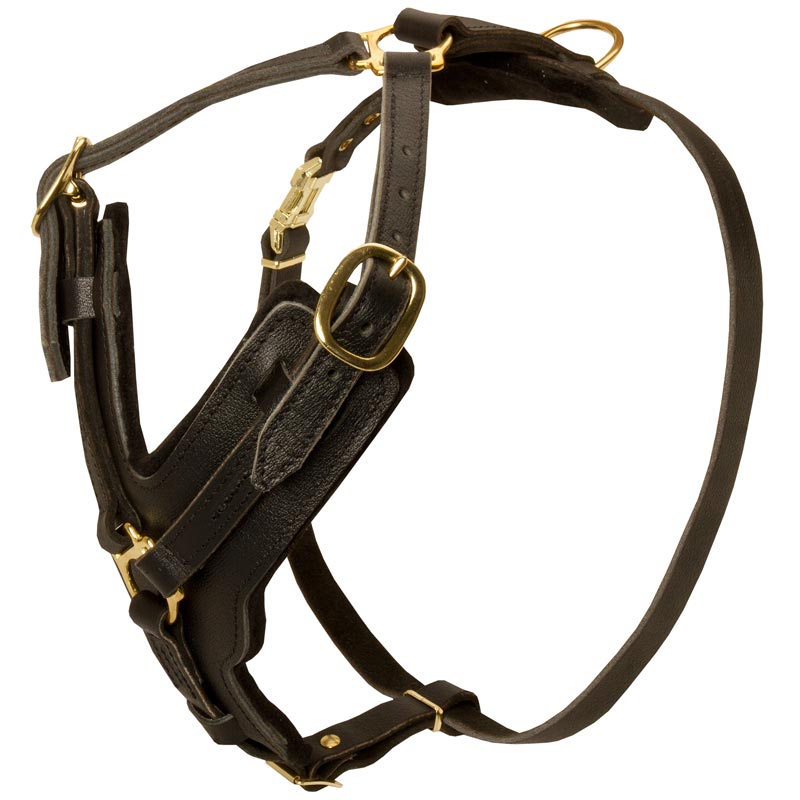
Exclusive Durable Leather Dog Harness for Rottweiler
This Dog Harness is made of high quality non-toxic genuine leather that is extra strong and durable enough for handling such a powerful dog as Rottweiler. Made for agitation and protection work this dog item can withstand excessive overload. The chest plate is … Continued
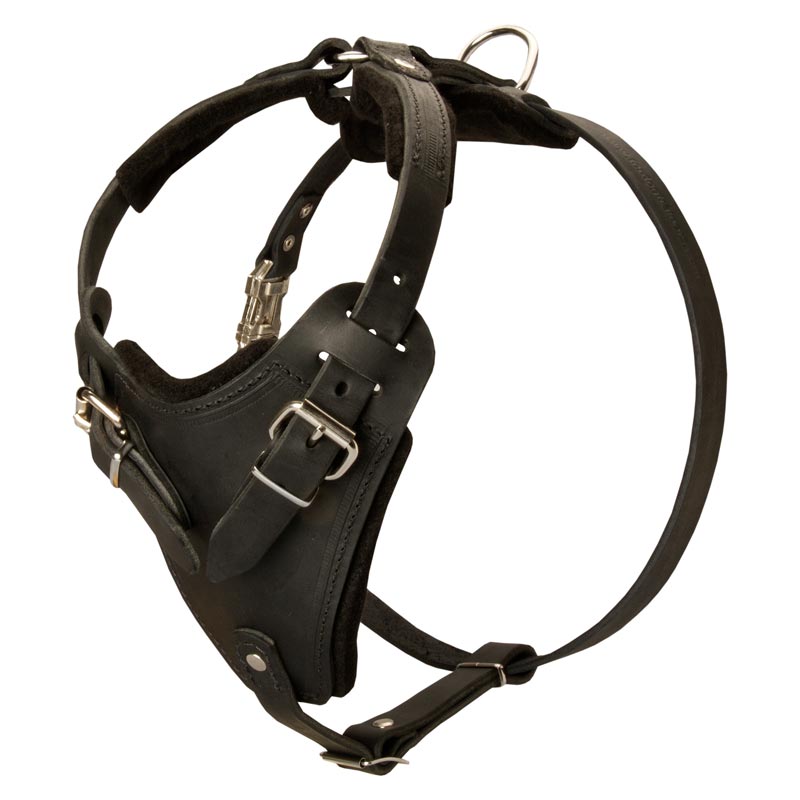
Leather Rottweiler Harness for Agitation/ Protection Training
This Harness is manufactured of 100% full grain genuine leather and is perfect both for everyday walking and attack/agitation training. It is expertly crafted to provide maximum strength and durability. This leather harness is very comfortable for such big dog breed as … Continued
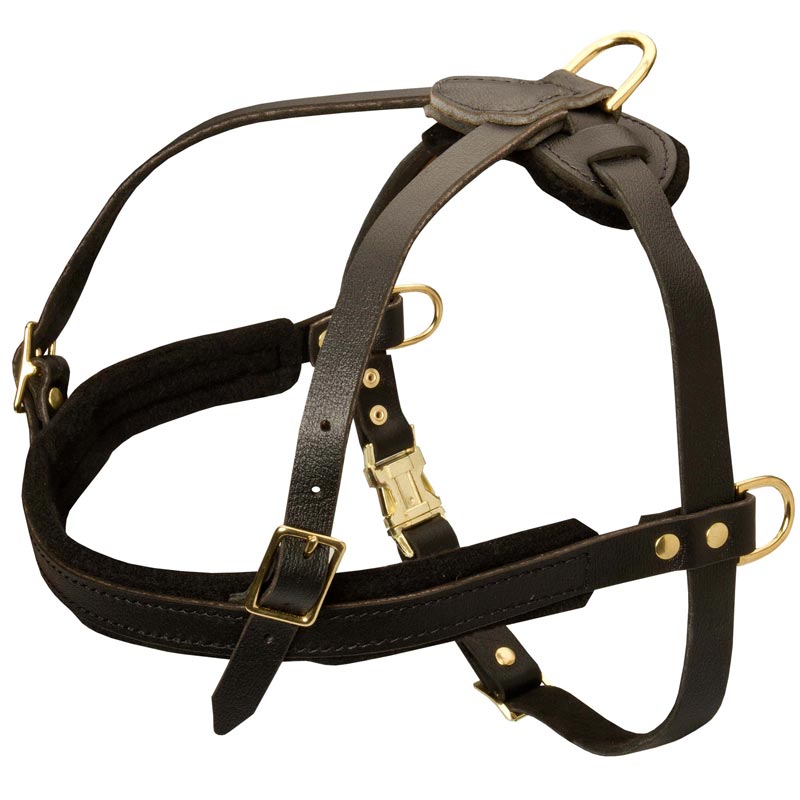
Tracking/Pulling/Agitation Leather Rottweiler Harness
This Dog Harness is incredibly strong, sturdy and reliable as it is made of top quality full grain natural leather that does not stretch and difficult to tear. Such dog supply will serve your Rottweiler for years. Stitching on the edges and … Continued
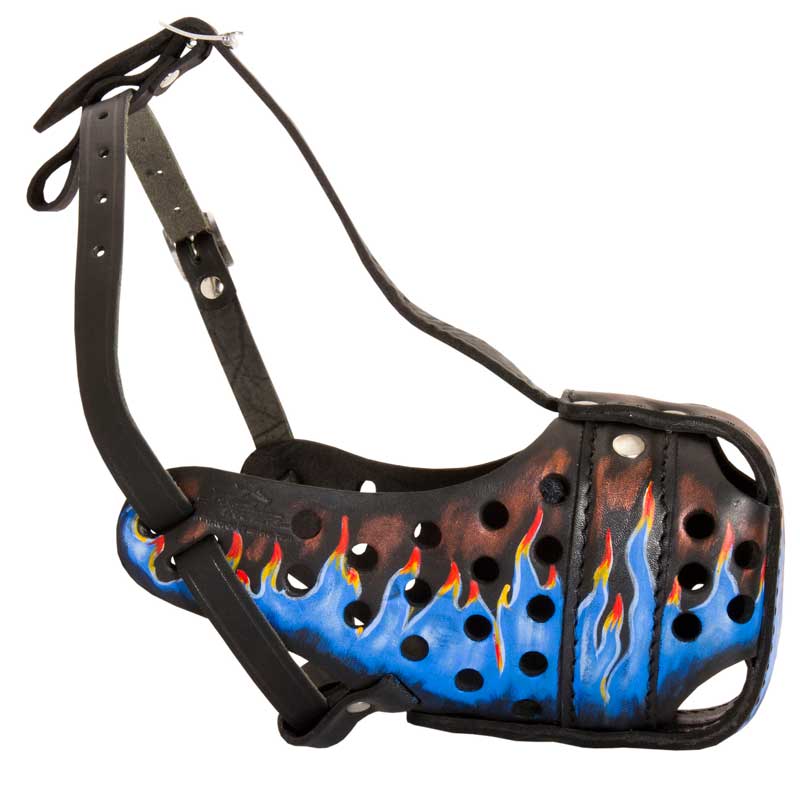
Handpainted Designer Leather Rottweiler Muzzle with Blue Flames
Made of top quality dog safe materials, this Leather Dog Muzzle is strong, durable and comfortable; it is a perfect choice for dogs with sensitive skin. Designed according to the world standards the Muzzle provides superior comfort thanks to special soft thick felt … Continued
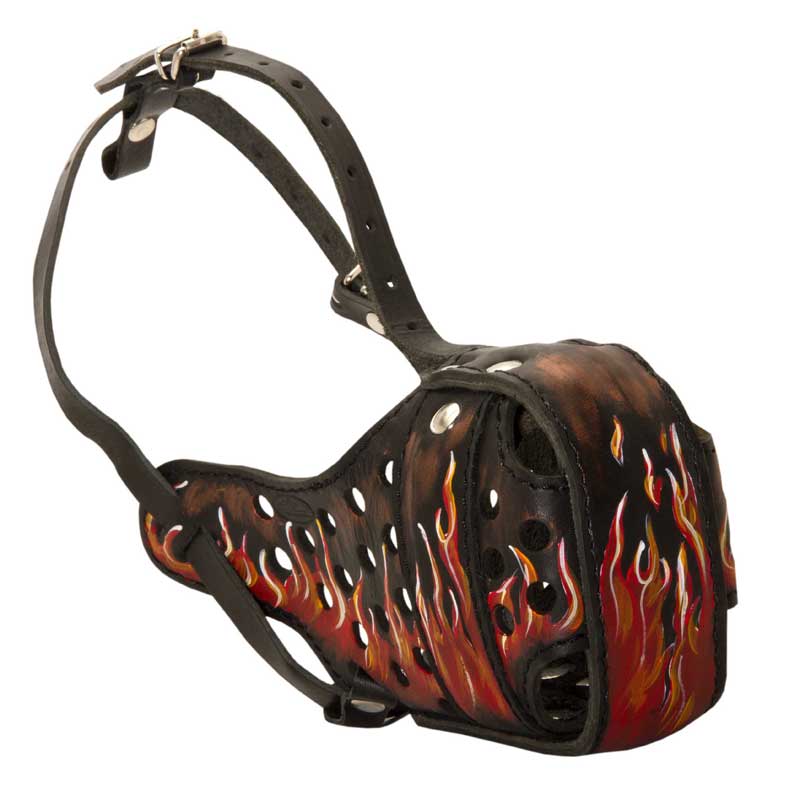
Handpainted Leather Rottweiler Muzzle with Red Flames
This Designer Dog Muzzle is great not only for daily walking but also for different kinds of training. Moreover, it combines high quality, utmost comfort and extraordinary style. Being made of full grain genuine leather, this Muzzle is extra strong, durable and … Continued
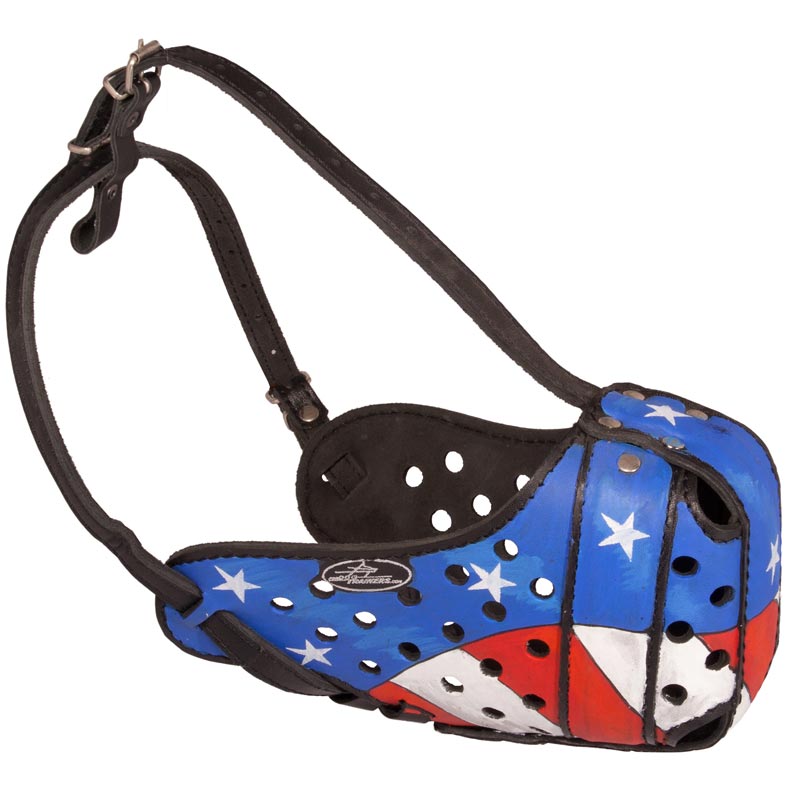
Unique USA Design Leather Dog Muzzle for Rottweiler Agitation Training
This Dog Muzzle is manufactured of full grain genuine leather, that is extra strong and can withstand excessive overload. Be sure it will serve you and your Rottweiler for decades, if maintained properly. Moreover, all the leather parts are stitched and riveted together … Continued
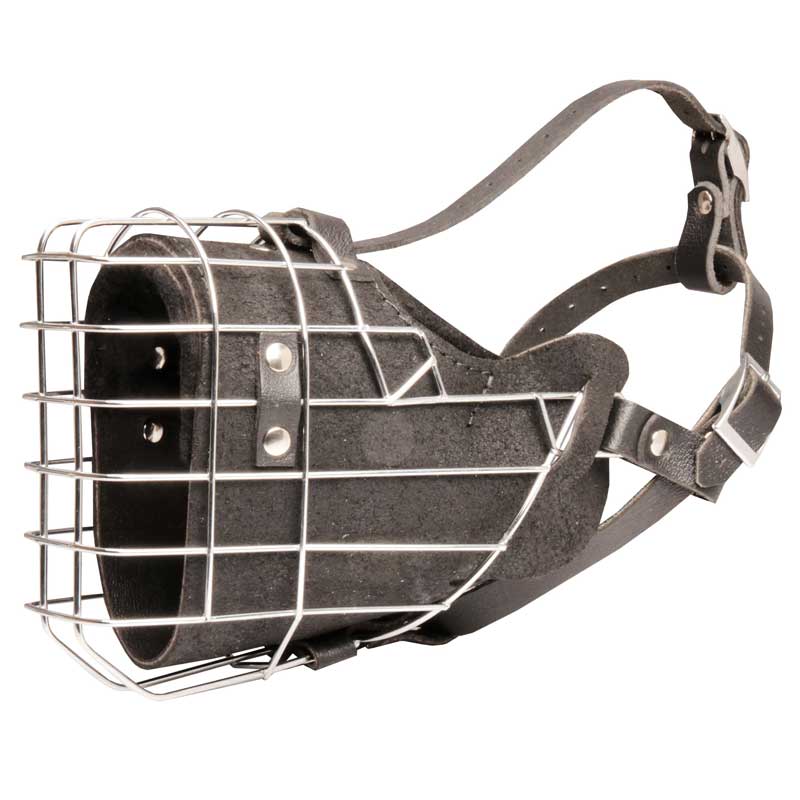
Fully Padded Extra Strong Wire Cage Rottweiler Muzzle for Agitation Training
This Exclusive Wire Cage Muzzle is great both for training and everyday walking. Made of full grain genuine leather, it is reliable, pleasant to touch and doesn’t lose its shape even after long-lasting service. Wire cage is made of strong and … Continued
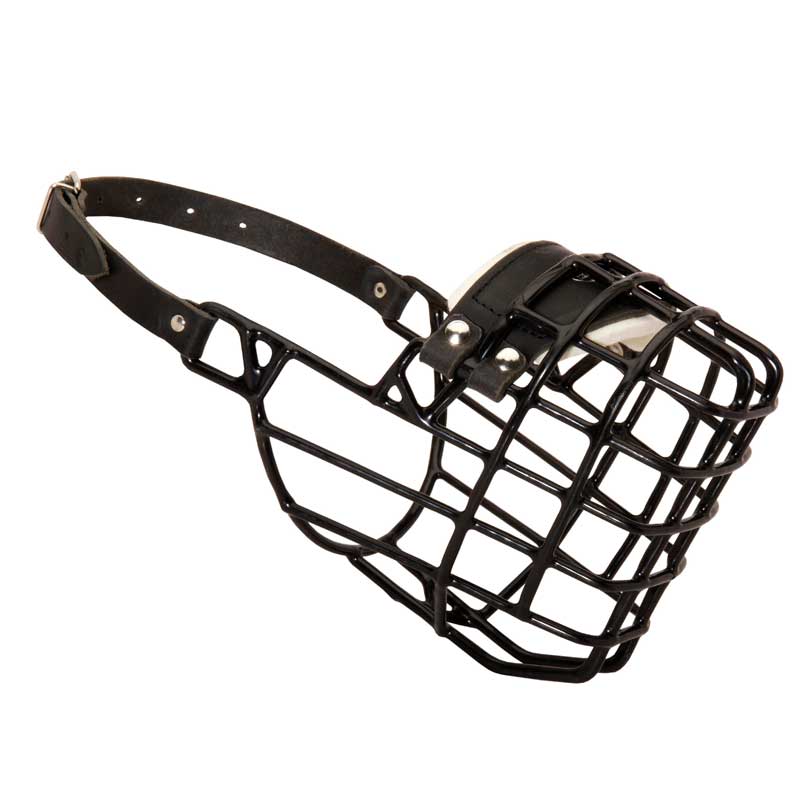
Wire Cage Rottweiler Dog Muzzle with One Strap for Winter Activities
This Dog Muzzle will satisfy all your Rottweiler’s needs. This Wire Basket Muzzle has extra strong wire cage covered with black rubber to prevent sticking of your dog’s snout and tongue when it is cold outside. Ergonomic design of this Muzzle … Continued
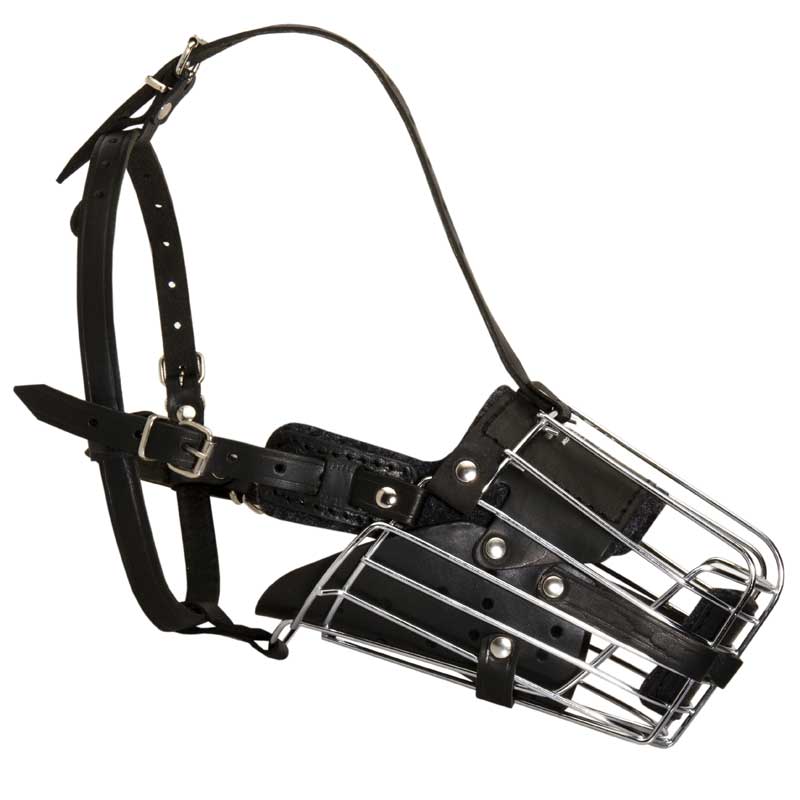
Fully Padded Easy Adjustable Wire Cage Rottweiler Muzzle for Working Dogs
This Dog Muzzle is made of safe and practical materials, so it doesn’t contain any toxic elements and does not provoke allergies. Strong wire cage basket is protected from rust, genuine leather is strong, soft and pleasant to touch. Neat stitching, … Continued
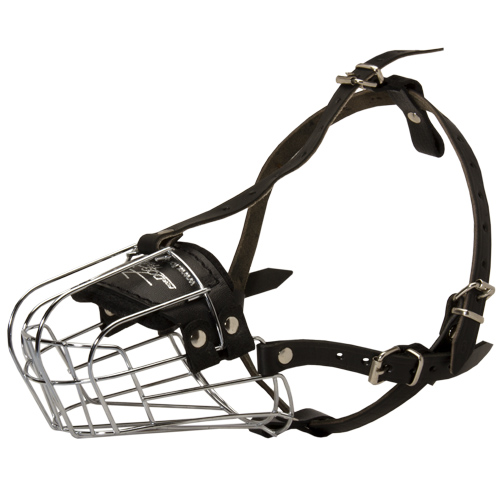
Comfortable Wire Cage Dog Muzzle for Rottweiler Walking and Training
Strong Wire Basket Muzzle For Rottweiler Everyday Activities
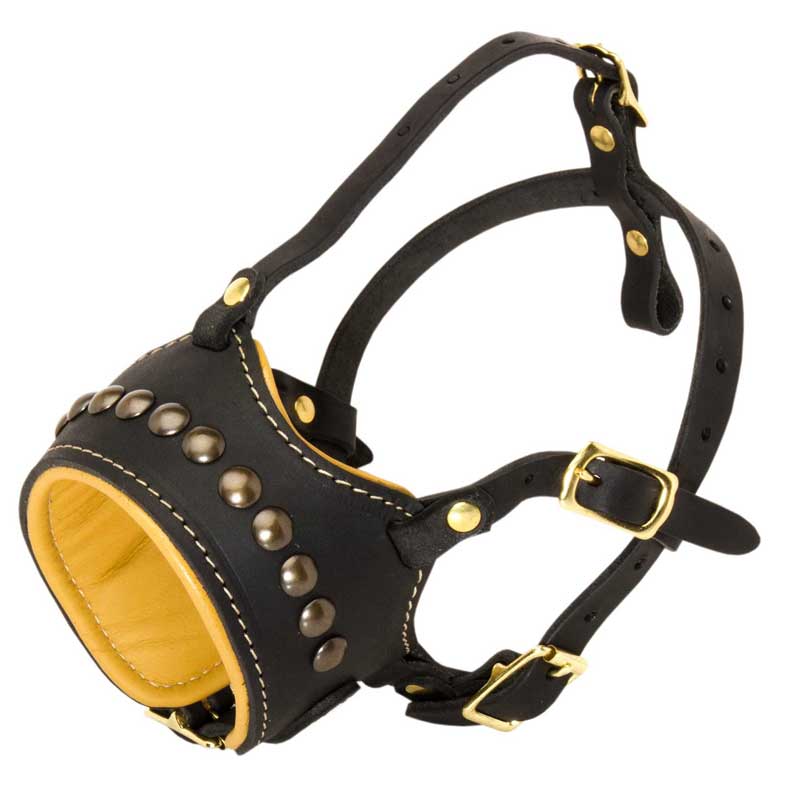
Open Nose Designer Studded Leather Rottweiler Muzzle
This Muzzle is made of top quality dog-safe materials that are safe for dog’s health. Inside soft Nappa padding protects your dog’s snout from rubbing and irritation, so it is rather comfortable for your pet to wear this dog item. Besides, this Muzzle is very … Continued
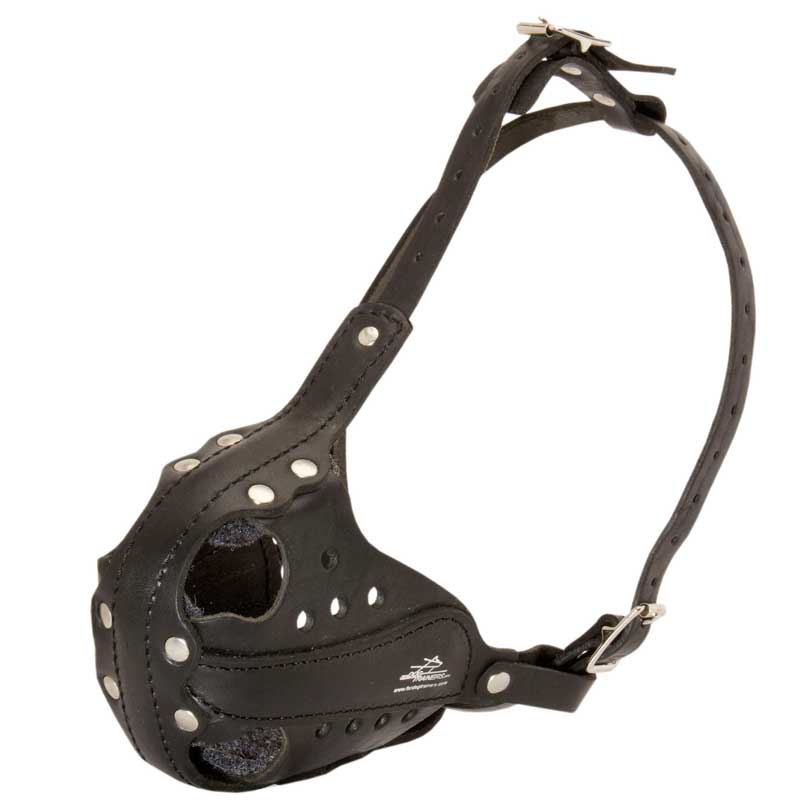
Training Police Leather Rottweiler Muzzle for Working Dogs
All the materials, which have been used for the manufacturing of this Muzzle, are non-toxic and safe for your dog’s health. Thanks to durable leather it fits perfectly for long training sessions, heavy duty police or military work. It has leather covered … Continued
Handpainted Anti-Barking Leather Rottweiler Muzzle with Fire Flames
This Painted Dog Muzzle is made of safe ecologically clean materials which don’t contain any toxic elements. Moreover, thanks to ergonomic design this dog item will prevent wound licking, eating rocks, garbage, poisonous stuff from the ground. This Muzzle is very comfortable as … Continued
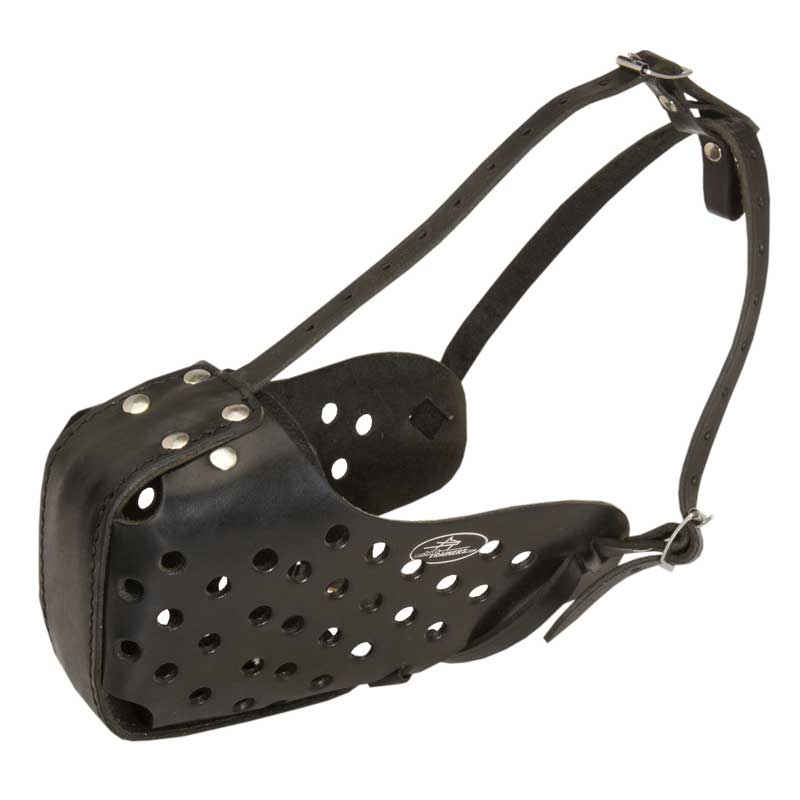
Heavy Duty Leather Rottweiler Muzzle for Attack/Agitation Training
This Dog Muzzle is made of 100% full grain natural leather that doesn’t contain any harmful substances. Thanks to its special snout-closed design and leather-covered steel bar your Rottweiler’s snout will be reliably protected from possible traumas during different kinds of dog training. Special … Continued
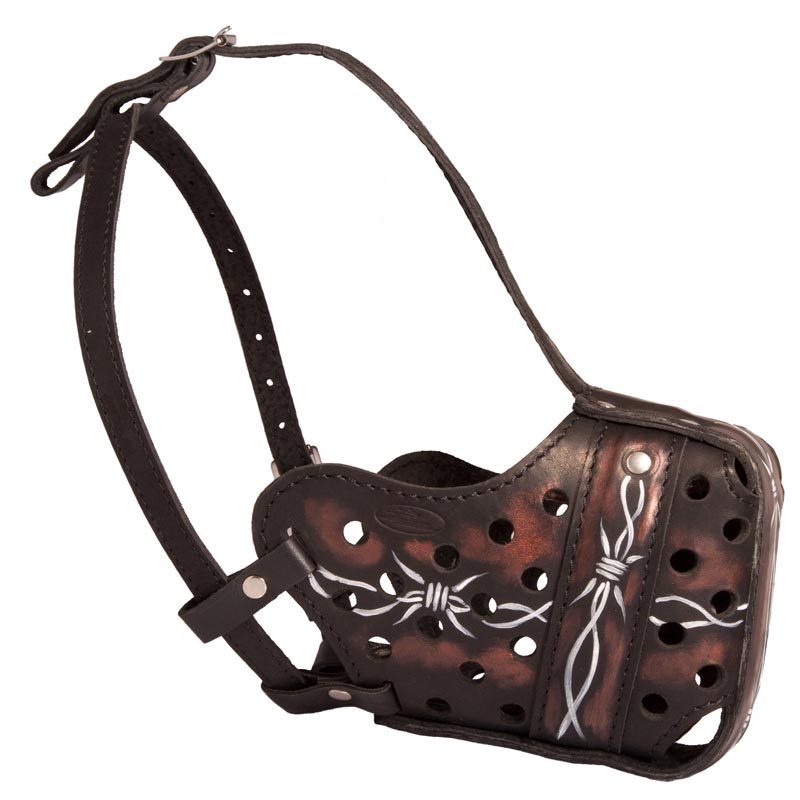
Exclusive Barbed Wire Leather Rottweiler Muzzle for Training and Walking
This Dog Muzzle is made of high quality solid genuine leather. It is strong, safe for your dog’s health, sturdy and tear-resistant. Just take care of it to prolong its service time. Thanks to ergonomic design this Muzzle allows to breathe … Continued